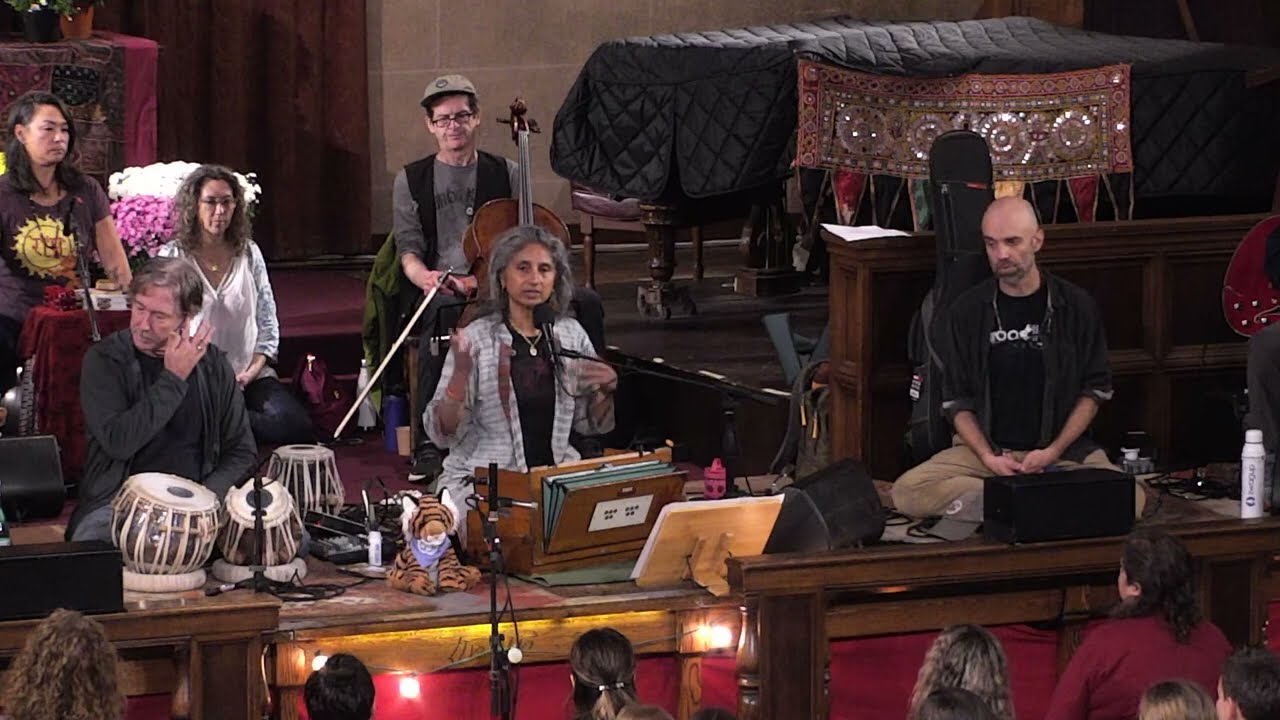
The Adi Shakti bhakti mantra is a foundational Sanskrit chant that invokes the divine feminine creative force (Shakti) in its primordial form. Drawn from yogic and tantric traditions, this mantra is sung as a healing practice to awaken dormant spiritual energy, align with universal creative power, and facilitate inner transformation. Featured on Ajeet's album Shuniya: Healing Chants, the Adi Shakti mantra represents one of the most direct invocations of the feminine divine in Vedic practice.
What Does the Adi Shakti Mantra Mean?
The term "Adi Shakti" translates directly as the primordial or original cosmic feminine energy. "Adi" means first, original, or primordial, while "Shakti" refers to divine power, energy, and the feminine principle that moves and animates all of creation. In Hindu, tantric, and yogic philosophy, Shakti is not merely a concept but the active creative force underlying existence itself—the dynamic aspect of consciousness that manifests the physical and subtle universes.
This mantra calls directly upon this fundamental feminine divine principle. Unlike mantras that invoke specific deities or request particular blessings, the Adi Shakti mantra addresses the root source of all creative power. It is considered one of the most potent invocations because it works at the level of primordial energy rather than individual gods or forms.
Why Is Adi Shakti Central to Kundalini and Healing Traditions?
In kundalini yoga and tantric practice, Shakti is understood as the serpent energy coiled at the base of the spine. The Adi Shakti mantra awakens and honors this dormant spiritual force. When practiced with intention and devotion, the chant is believed to:
- Activate the root (muladhara) and sacral (svadhisthana) chakras, the foundational energy centers
- Awaken kundalini energy and facilitate its upward flow through the central energy channel (sushumna nadi)
- Connect practitioners to the primordial feminine creative principle within themselves
- Release blocked energy and facilitate healing at physical, emotional, and spiritual levels
- Restore balance between masculine and feminine energies (Shiva and Shakti)
Healing chants like the Adi Shakti mantra work on the principle that sound vibration directly influences the energy body. By repeating the mantra, the nervous system attunes to its frequency, which is believed to resonate with the fundamental frequencies of creation itself. This is why chanting is considered both a spiritual and therapeutic practice in traditional yoga and Ayurveda.
What Role Does Bhakti Play in This Mantra?
Bhakti refers to the path of devotion—a yogic approach centered on emotional connection, love, and surrender to the divine. When labeled as a "bhakti mantra," the Adi Shakti chant emphasizes the emotional and devotional dimension of practice rather than purely intellectual understanding or visualization technique.
In bhakti practice, the mantra becomes a vehicle for deepening one's relationship with the divine. As you chant the Adi Shakti mantra with devotion, you are not simply repeating syllables—you are cultivating reverence, opening your heart, and surrendering your ego to the creative feminine principle. This devotional layer transforms chanting from a mechanical practice into a form of prayer and communion.
The combination of sound vibration (the nada) with emotional intention (bhakti) creates a multiplied effect. The mantra simultaneously works on the subtle energy body while also cultivating qualities like surrender, trust, and love in the practitioner's consciousness.
How Does the Adi Shakti Mantra Fit Into Contemporary Healing Practice?
Albums like Shuniya: Healing Chants bring traditional Sanskrit mantras into modern healing contexts. The Adi Shakti mantra appears in contexts ranging from yoga class soundtracks to meditation albums, kundalini yoga sessions, and sound healing therapies. Its presence in contemporary wellness culture reflects a broader recognition that ancient practices have therapeutic value.
As a healing chant, the Adi Shakti mantra is often used to:
- Open blocked energy during yoga or breathwork sessions
- Facilitate emotional release and trauma healing
- Support menstrual cycle synchronization and feminine health practices
- Deepen meditation and contemplative practice
- Create a sacred container for personal transformation work
The mantra's accessibility—its relatively simple syllable structure and powerful energetic signature—makes it suitable for both experienced practitioners and those new to Sanskrit chanting. Unlike some mantras that require specific initiation or ritual context, the Adi Shakti mantra is widely taught and available to sincere practitioners across different spiritual traditions.
What Is the Energetic Quality of Chanting Adi Shakti?
Practitioners who engage with this mantra often report specific experiences. The chanting tends to produce a sense of groundedness and power rather than transcendence or lightness. Because Shakti represents creative force and material manifestation, invoking Adi Shakti often generates warmth in the lower body, tingling sensations in the spine, and a felt sense of energy movement. Some experience emotional intensification—grief, anger, or joy may surface as blocked energy begins to move.
The mantra's vibrational quality supports embodiment and presence. Rather than pulling consciousness upward into abstract spiritual realms, Adi Shakti work brings consciousness into the body, into the earth, and into the creative power that moves through physical existence. This is why it is considered especially valuable for those who struggle with grounding or who experience dissociation.
How Should Practitioners Approach the Adi Shakti Mantra?
Traditional guidance suggests approaching the mantra with a few basic principles:
- Consistency: Regular practice (daily or several times weekly) produces stronger effects than sporadic engagement. Many teachers recommend 40-120 days of continuous practice to anchor the mantra's benefits.
- Devotional attitude: The mantra's power amplifies when approached with reverence and sincerity rather than skepticism or casual curiosity.
- Attention to the body: While chanting, maintain awareness of the lower chakras and the spine. Notice any sensations, emotions, or energy shifts without judgment.
- Breath alignment: Let the breath naturally coordinate with the mantra. This integration of breath and sound deepens the practice's effects.
- Surrender: Rather than trying to force particular experiences, approach the practice with openness to whatever arises.
The healing chants album framework suggests that this mantra works best within a broader context of wellness—combined with yoga practice, healthy lifestyle, emotional processing, and ongoing spiritual development rather than viewed as a standalone cure.
Where to Go From Here
If the Adi Shakti mantra resonates with you, deepen your exploration by investigating kundalini yoga practices, which often incorporate this chant within a complete system. Explore other healing mantras from the Shuniya album to understand how different invocations address different aspects of the being. Consider studying the history of Shakti worship across Hindu, tantric, and yogic traditions to contextualize this practice within thousands of years of feminine-centered spirituality. If working with a qualified yoga teacher or sound healer, ask how the Adi Shakti mantra might support your specific spiritual and healing intentions.